5 Aug 2026
Caring for Your Mouth After a Tooth Extraction
The days immediately after a tooth extraction matter more than most patients expect. Following the right aftercare prevents complications and speeds up healing considerably.
The first 24 hours
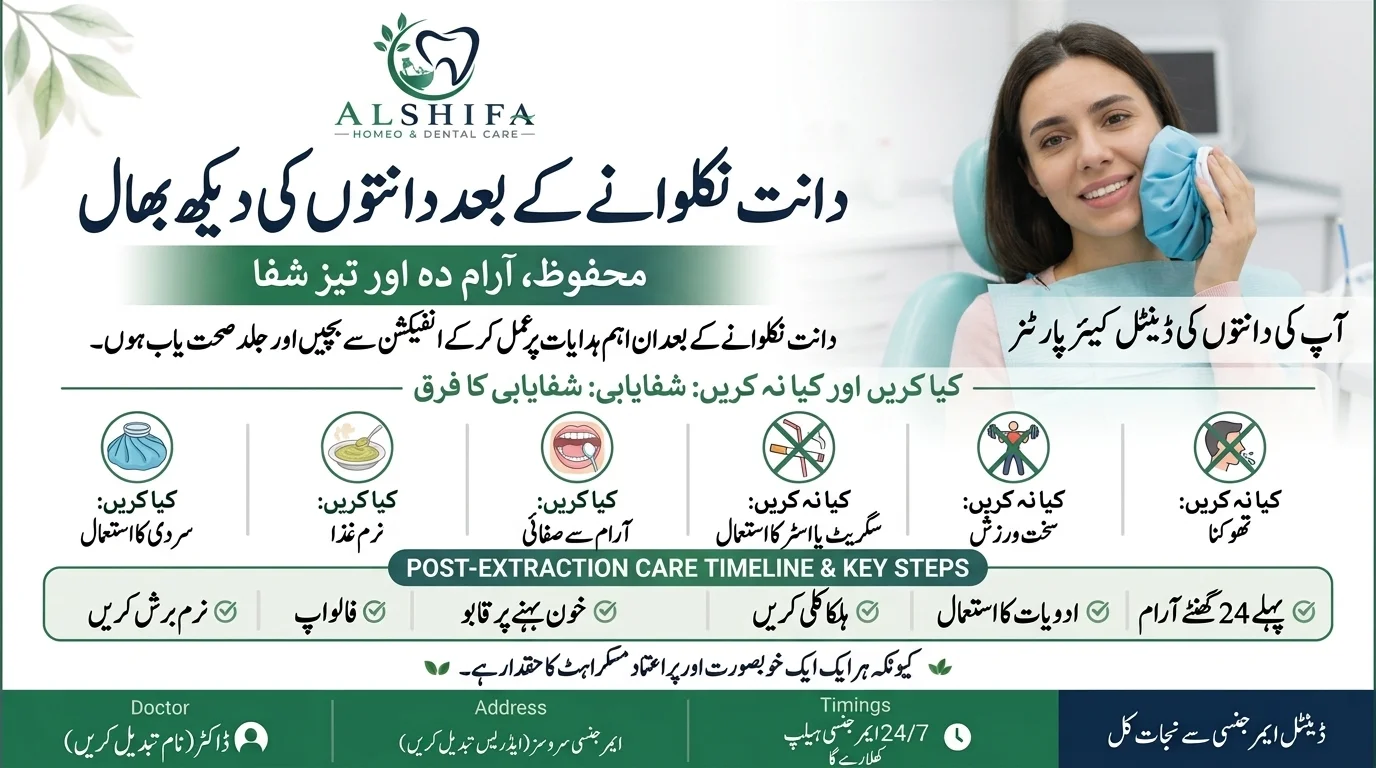
A blood clot needs to form and stay in the socket, this is what protects the bone underneath while it heals. Avoid rinsing, spitting forcefully, or using a straw during this window, since suction can dislodge the clot. Bite down gently on the gauze provided for the first hour or so to help the clot form.
Managing swelling and discomfort
Mild swelling and soreness for a day or two is completely normal. A cold compress on the outside of the cheek for the first 24 hours helps keep swelling down. After that, switching to warm compresses can help with any residual stiffness. Over-the-counter pain relief as advised by your dentist is usually enough.
Eating and drinking
Stick to soft, cool foods for the first day, things like yogurt, mashed potatoes, or a smoothie eaten with a spoon rather than a straw. Avoid hot foods, spicy foods, and hard or crunchy items until the area has had a few days to settle. Chewing on the opposite side of the mouth is a good habit until the socket has closed over.
Keeping the area clean without disturbing it
Gently rinsing with warm salt water starting the day after extraction helps keep the socket clean without disrupting the healing clot. Brush your other teeth normally, just avoid the extraction site directly for the first few days.
When to call your dentist
Some oozing and mild discomfort is expected. Severe pain that worsens after the second or third day, a bad taste or smell from the socket, or fever are signs worth getting checked, as they can indicate a dry socket or infection.
If you have had a recent extraction and something feels off, message us on WhatsApp and we will guide you or bring you in.